Guides and publications
Training materials and practical papers shaped by fieldwork, published to be used rather than merely archived.
Browse publicationsInclusive experience
Accessibility Assistant opened. Voice Navigation is in the Navigation section. Move through the controls, then press Enter or Space on Enable Voice Navigation. Your browser will ask for microphone permission.
One tap turns on a bundle of settings for a specific need
Adjust how content appears
Make page content easier to identify and read
Listen at your preferred pace
Automatic separates Arabic and English inside each content block and selects a matching voice. Choosing a language changes pronunciation; it does not translate content.
Take your preferences to another device
Your profile stays inside its QR or text code. No account or server is used.
Scan this QR on any device — it opens this site with your settings already on.
Your focus session is complete. Rest your eyes, stretch, or take a short walk.
About the platform
A personal knowledge platform bringing together practical experience and trusted resources for more inclusive and equitable communities.
Knowledge left unshared loses half its value.
About the platform
This is a personal knowledge platform — not an organisational website and not a news feed. Its purpose is to gather what my colleagues and I have learned in the field and put it within reach, so a practitioner in Upper Egypt, a researcher in Nairobi, or a mother in Cairo does not spend weeks searching for information that should take minutes to find.
The content draws on more than 25 years of practice in community-based rehabilitation and inclusive community development across Egypt, the Arab region, and Africa. It is not neutral: it takes the side of the rights-based model set out in the CRPD and rejects the logic of care and pity that still treats entitlement as favour.
I believe that shared knowledge becomes a real tool for change, and that major challenges need solutions built through exchanging experience and connecting people and institutions.
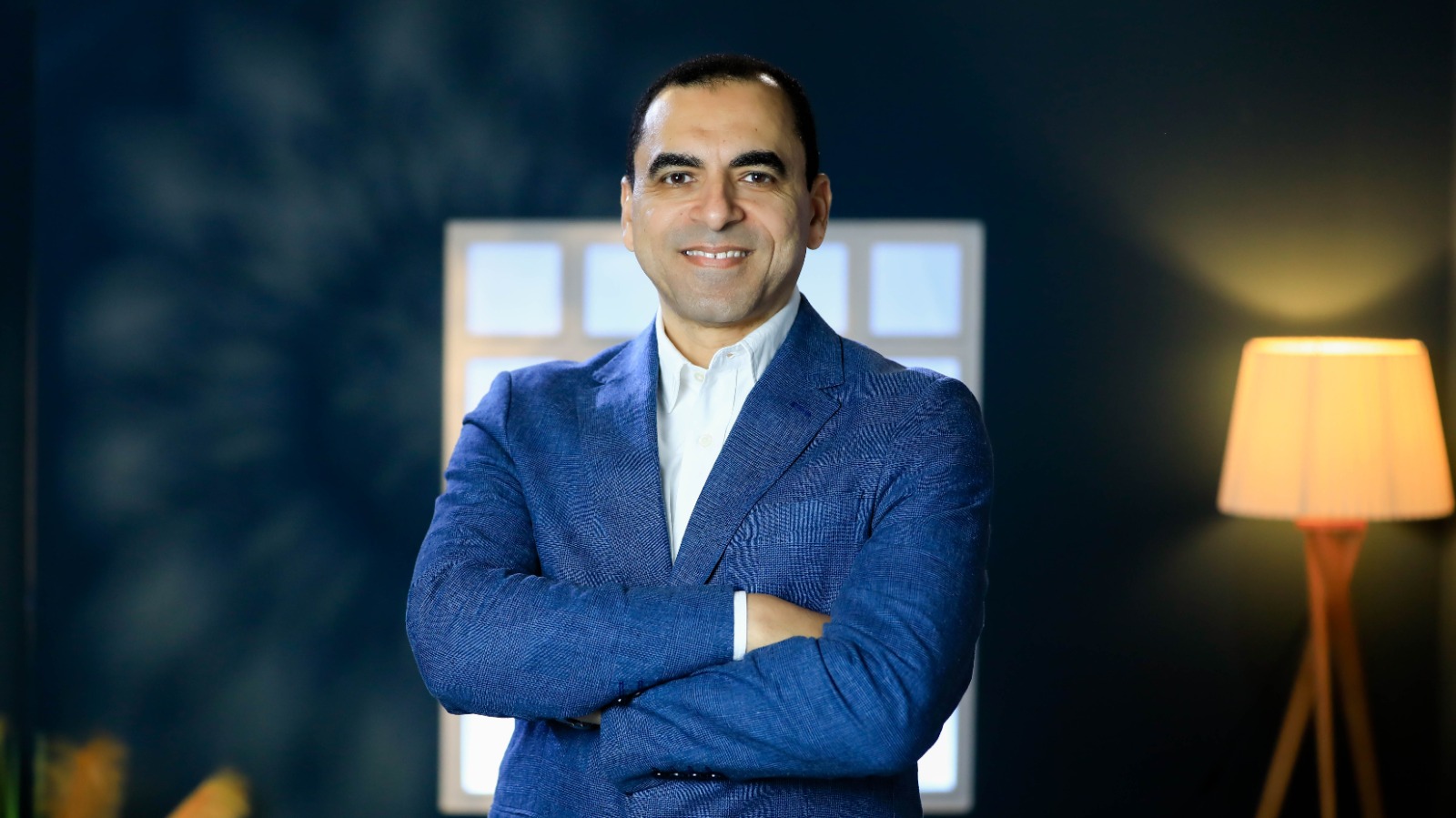
Dr. Ayman Eltantawy
Practical, reliable content that supports learning and application.
Training materials and practical papers shaped by fieldwork, published to be used rather than merely archived.
Browse publications
Analysis of national and regional laws and strategies, their practical meaning, and the gap between text and implementation.
Learn more
Clear explanations of reasonable accommodation, universal design, the social model, and other essential concepts.
Browse topics
Dialogue with practitioners, leaders, persons with disabilities, and families across Egypt, the Arab region, and Africa.
Explore conversationsHow content is prepared and published
The platform works toward WCAG 2.2 AA and is tested with real users, not automated checkers alone.
Every legal or policy item carries its official source and a visible last-reviewed date; statistics are never published without a source.
Disability is not lived apart from gender, poverty, and place, and the content seeks to reflect these intersections.
Arabic is primary, with English where content has regional or international relevance.
No image or story is published without documented informed consent or through a charitable or inspirational frame.
Published work can be wrong. Corrections are acknowledged in place rather than silently deleted.
For everyone working toward more inclusive and equitable communities.
First, for persons with disabilities and their families; and for practitioners and trainers, researchers and specialist students, government and legislative bodies, donors and partner organisations, and journalists seeking an accurate reference beyond seasonal coverage.
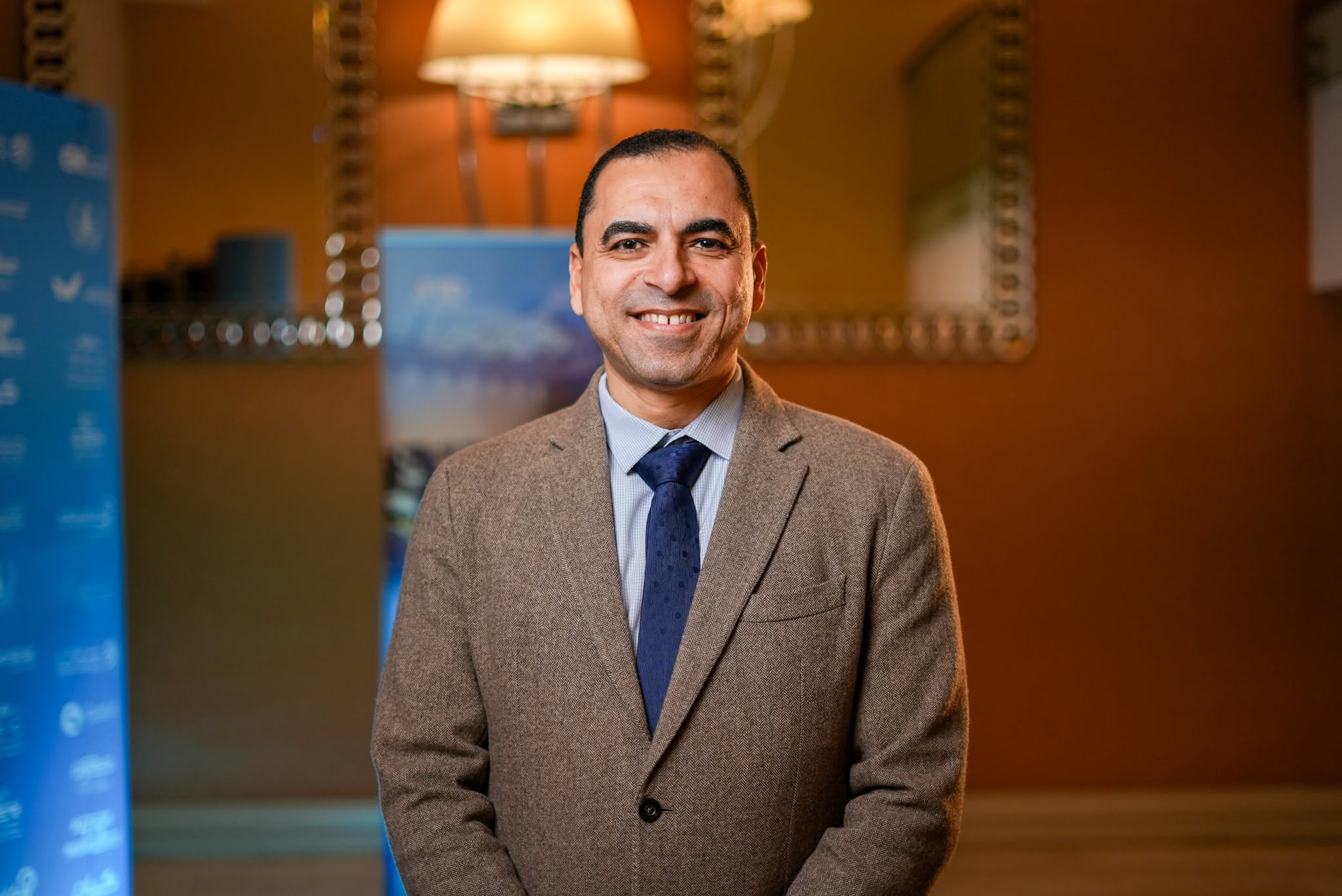
I began my career as a physiotherapist after graduating from Cairo University in 1995. I founded Kayan Society for Persons with Disabilities in 2003 and have served as its executive director since 2007, and founded Masarat for Quality Studies. I have chaired the CBR Africa Network since 2024, represent Africa in the CBR Global Network (CGN), contributed to founding the Inclusive Community Development Alliance, and consulted for international organisations including Handicap International and TDH in assistive devices and capacity building.
I write here in a personal capacity. The views published are my own and do not necessarily represent the official positions of the CBR Africa Network, the CBR Global Network (CGN), the Egyptian Network for Inclusive Community Development, or Kayan Society. Any official position is attributed explicitly.
Contribute
Have a good practice worth documenting, a correction, or an experience others should hear? Get in touch.