The truth many people do not know is how much the global community based rehabilitation movement owes to Africa. When our network, CAN, was founded in 2001, it was the world's first continental CBR network. It did not remain a local model; it inspired the birth of similar networks in Asia, Latin America, and the Pacific. And in 2012, at the first CBR World Congress in India, CAN helped found the CBR Global Network, and remains a member of its board to this day. Africa, then, is not a recipient of the model; it is among its original makers.
Knowledge travels both ways
Community based rehabilitation itself was born from a simple necessity: specialized services never reached most of the people who needed them. In Africa, where this reality is tested every day, practitioners developed inventive community solutions long before "decentralization," "localization," and "local solutions" became fashionable terms in development literature. When the world now speaks of these ideas as a new discovery, we at CAN say quietly: we have lived them for decades. This does not mean we hold all the answers; it means knowledge must travel both ways. My role as Chair of CAN and Africa's representative to the Global Network is to carry the experiences of villages in Upper Egypt, Niger, and South Sudan to international tables, and to bring back what enriches our practitioners. A real bridge carries traffic in both directions.
But the African voice will not be heard globally unless it is documented locally. This is one of our network's deepest convictions. Since its founding, CAN has held six continental conferences, published six books, and run 15 writing skills workshops in 13 African countries. Why this insistence on documentation? Because many African countries deliver remarkable rehabilitation yet lack the written evidence to defend or share it. And what is not written down is forgotten or worse, credited to others. Documentation, as we understand it, is not an academic luxury but a form of advocacy, and a tool to rebalance a narrative that has too often been written about us from the outside.
Africa's moment on the international stage
In 2027, the world will come to Africa. The 3rd World Congress on Community-Based Rehabilitation and Community Based Inclusive Development will be held in Egypt and it is not a passing event, but a moment both symbolic and practical. Symbolic, because it places the continent at the centre of a global conversation that has long kept it at the edge. Practical, because it is a platform to show what Africa has achieved, to build new partnerships, and to let field practitioners speak to the world directly. We are working today to ensure the Congress is not a ceremonial occasion, but a mirror of Africa in its full diversity: equitable participation from every region, scientific papers from the grassroots, and the voices of youth and persons with disabilities at the heart.
If we want Africa to help shape the international disability movement, we must first believe that we have something to contribute. We are not guests in this movement; we are among its founders. The knowledge born in our villages deserves to reach the world with the same confidence with which we receive the world's.
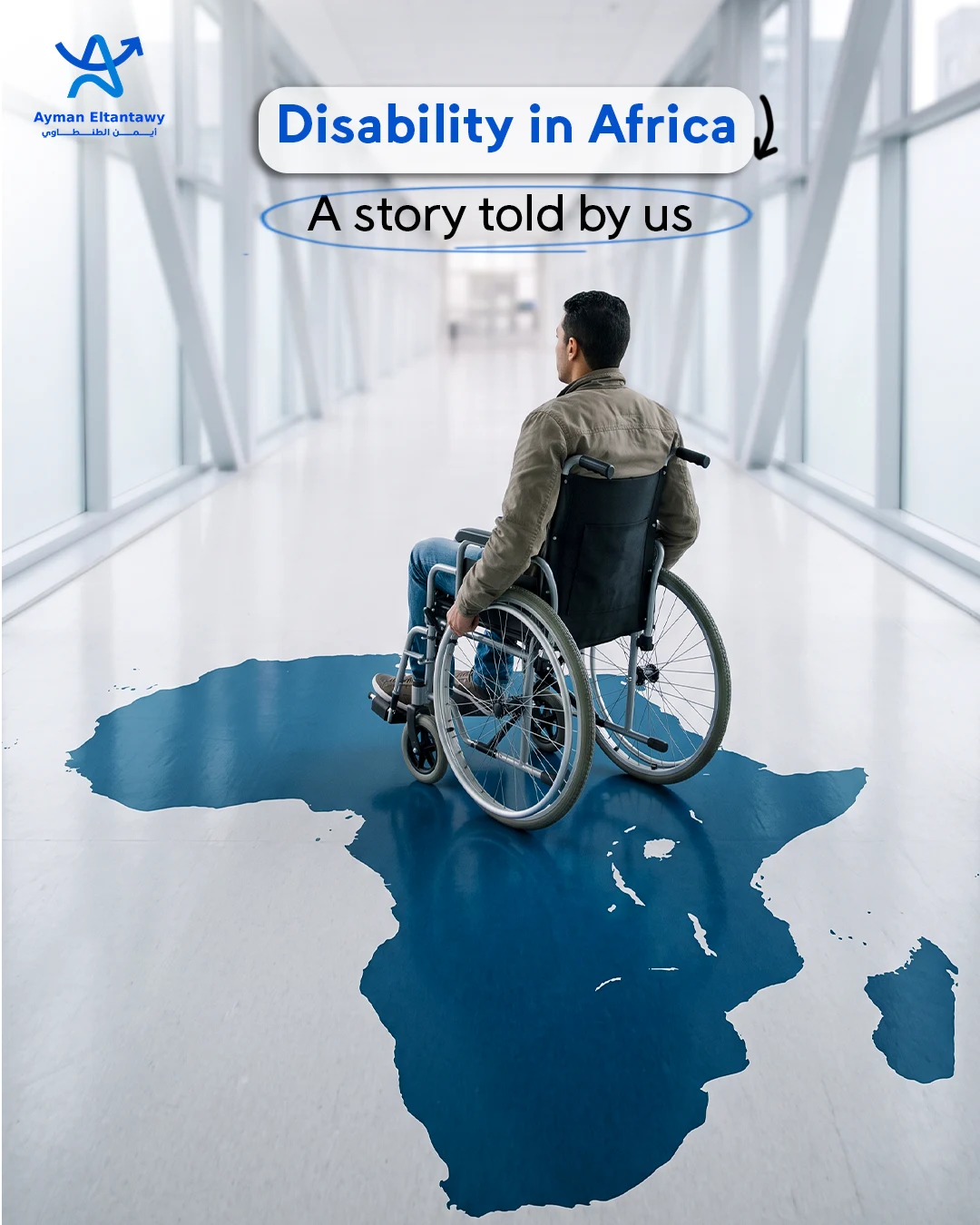
The question is not when the world will recognize Africa, but when we will tell our own story well. Let us begin now.
Comments (0)